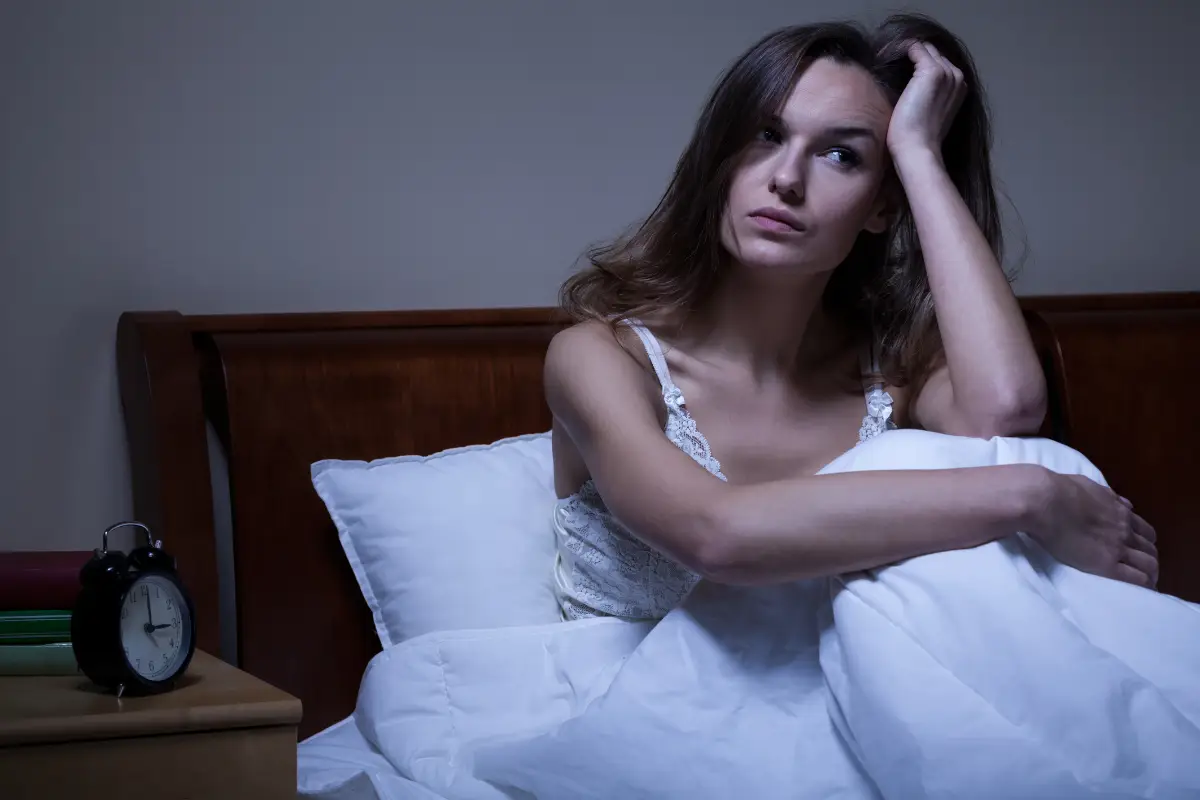
Why night sweats aren't just hormonal
Night sweats can turn restful sleep into an exhausting ordeal during menopause. While hormonal changes play a role, your environment might harbor hidden triggers that intensify these disrupting episodes. Understanding these environmental factors can help you create a sleep sanctuary that supports your body’s natural temperature regulation.
Electromagnetic fields (EMFs): Your bedroom likely contains multiple sources of EMFs — mobile phones, routers, and electronics — that can disrupt sleep and temperature regulation. Turning off wifi at night and removing electronics from your bedside often brings surprising relief.
Synthetic materials: Bedding and sleepwear made from synthetic fibers trap heat and interfere with your skin’s natural ability to breathe. Natural fibers like cotton, linen, or wool help regulate temperature and reduce chemical exposure during sleep.
Volatile organic compounds (VOCs): New furniture, mattresses, or paint can off-gas VOCs that impact hormone balance. These chemicals accumulate especially at night when windows are closed. Airing out rooms regularly can reduce this exposure.
Indoor air quality: Poor air circulation and indoor pollutants like mold, dust, or cleaning chemical residues can strain your body’s cooling systems. Open windows daily, use natural cleaning products, and consider a high-quality air purifier.
Artificial lighting: Blue light from screens and LED bulbs disrupts melatonin, your sleep hormone that also influences body temperature. Shift to warm, dim lighting in the evening and reduce screen time before bed.
Water quality: Municipal water can contain trace hormones and pharmaceuticals that interfere with endocrine balance. Use a water filter for both drinking and bathing, especially if your skin feels reactive after showers.
Hidden mold: Even small amounts of mold behind walls or under flooring can release toxins that affect hormone regulation. If you suspect mold, consider a professional assessment to rule it out as a hidden trigger.
Creating your sleep sanctuary
Start by addressing one environmental factor at a time. Many women find that removing electronics from their bedroom brings immediate relief. Open windows for shock ventilation, use natural bedding, and explore tools like HEPA + carbon air filters to reduce your toxic load.
Track your symptoms as you make changes. Night sweats often lessen in intensity and frequency once your body’s sleep environment is clean, cool, and supportive.
Long-term support for deep sleep
Your bedroom is just the beginning. The products you use throughout your home — from cleaners to scented candles — may also affect hormone balance. Choose natural alternatives like beeswax candles, EMF shields, or organic essential oils to support both sleep and detox.
Keep adapting as seasons shift. What works in winter may need tweaking in summer. Trust your body — it remembers how to sleep deeply and regulate heat. Your role is simply to remove the interference and allow that wisdom to return.
For a deeper dive into how your environment, nutrition, and daily rhythms influence menopause symptoms like night sweats, explore my book Menopause Liberation — it’s a full-body guide to navigating this life phase with clarity, power, and truth.